For millions of Americans living with depression, the search for effective treatment can feel like an uphill battle. However, two innovative treatments are generating significant clinical interest: Auvelity, an innovative oral antidepressant approved by the FDA in 2022, and ketamine, a rapid-acting therapy that has been transforming the treatment of depression for over two decades.
Both of these medications have novel effects compared to antidepressants, providing hope when first-line treatments don’t work. However, they differ substantially in their mechanism, administration, cost, and safety considerations. In this article, we’ll compare and contrast Auvelity and ketamine so you can know whether either one may be right for you.
What Is Auvelity?
Auvelity is an antidepressant medication made of bupropion and dextromethorphan. Both of these compounds have been used in medical treatment for decades: bupropion as a prescription medication used for depression and smoking treatment, and dextromethorphan as a cough suppressant.
Auvelity was developed by the pharmaceutical company Axsome Therapeutics as a novel treatment for depression. It was approved by the U.S. Food and Drug Administration (FDA) on August 18, 2022, for the treatment of major depressive disorder in adults.
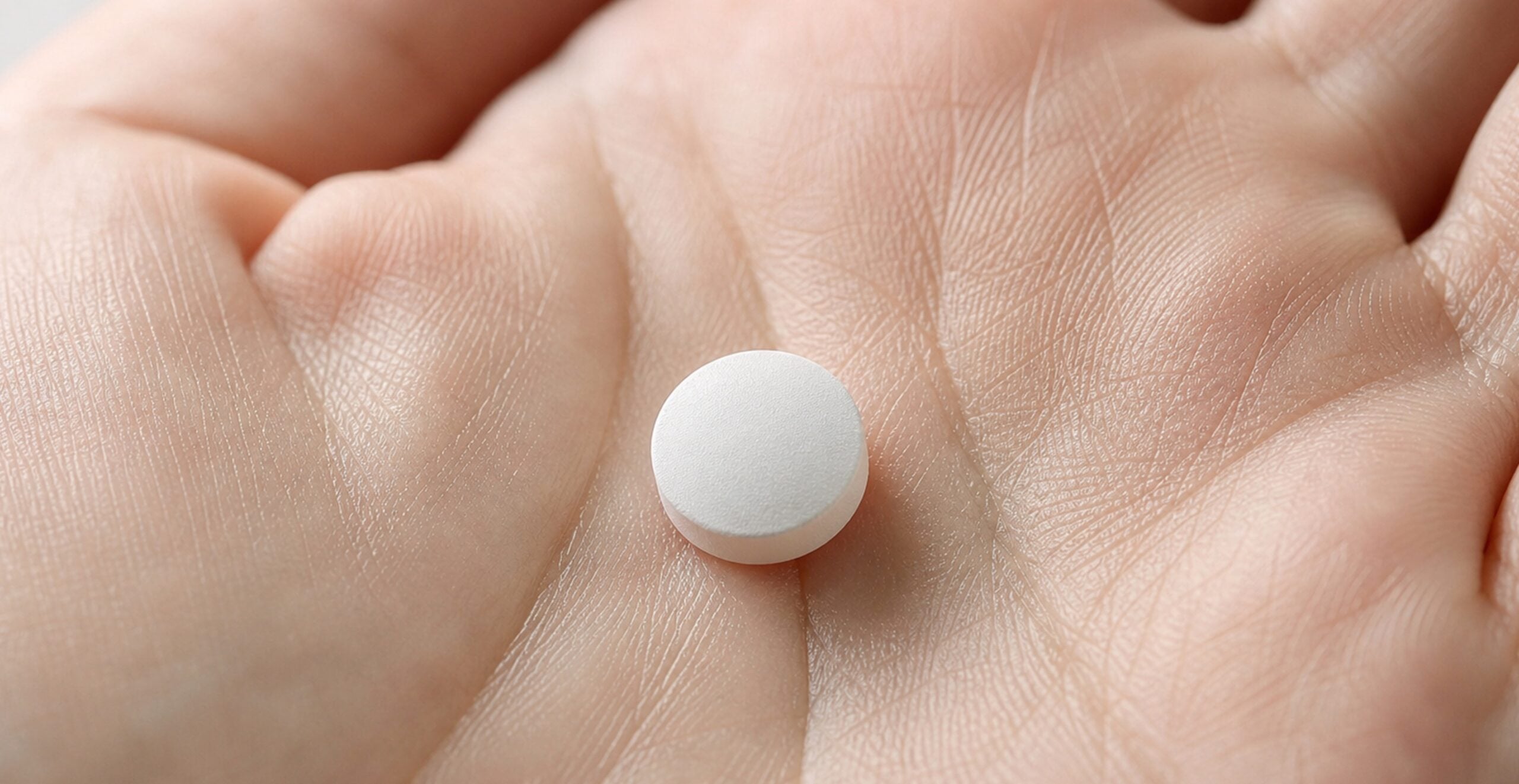
The medication comes as an extended-release tablet which is taken orally at-home. It is administered once daily for the first three days, then escalated to twice daily thereafter.
What Is Ketamine?
Ketamine was first synthesized in 1962 and received FDA approval in 1970 as an anesthetic agent. Clinicians observed how receiving the medication for surgery and pain management frequently had significant mood improvements following treatment. This led to multiple investigations into the drug as a novel treatment for depression.
Multiple studies have since shown ketamine has rapid antidepressant effects, including for patients who don’t respond to standard antidepressant medications. It also benefits patients with other mental health conditions, like addiction, anxiety and obsessive compulsive disorder (OCD).
In March 2019, the FDA approved esketamine (Spravato), a drug based on ketamine, as a novel therapy for treatment-resistant depression (TRD). Spravato was subsequently approved in 2020 for depression with suicidal ideation or behavior (MDSI)
Ketamine is mostly administered as an intravenous (IV) infusion or intramuscular (IM) injection, which is administered in a clinic. Some telehealth clinics offer oral and intranasal forms which are delivered in the post for at-home use. Spravato, on the other hand, is only available as a nasal spray that must be administered in a clinic.
At McLean NTC, we’re a leading provider of ketamine-based treatments in Fairfax county. We offer both intramuscular ketamine and Spravato alongside expert care to help patients reclaim their quality of life.
Mechanism of Auvelity vs. Ketamine in Depression Treatment
How Do Auvelity and Ketamine Work in the Brain?
For decades, the leading theory of depression focused on serotonin. Researchers believed that low levels of this brain chemical were responsible for low mood, and that increasing it with medications like Prozac or Zoloft would relieve depression.
However, many people who take antidepressants do not experience meaningful improvement, suggesting that other neurological mechanisms are involved. Both Auvelity and Ketamine target these alternative pathways. Instead of focusing on serotonin, they act on the brain’s glutamate system, a different chemical messenger involved in mood regulation.
Research over the past few decades has shown that in people with depression, glutamate signaling can become dysregulated, disrupting the communication networks in the brain that regulate mood, memory, and thinking. Both Auvelity and ketamine work by interacting with a specific glutamate receptor called the NMDA receptor, which controls the activity of glutamate.
Auvelity’s active ingredient, dextromethorphan, partially blocks NMDA receptors, reducing excessive glutamate activity that may be contributing to depressive symptoms. It also acts on a second receptor called the sigma-1 receptor, which plays a role in regulating mood and stress responses.
Ketamine is a much more potent NMDA receptor blocker than dextromethorphan. When ketamine enters the brain, it doesn’t just partially reduce NMDA activity, it produces a strong, rapid blockade that triggers a cascade of downstream effects. Ketamine interacts with NMDA receptors on inhibitory nerve cells, which increases glutamate activity and activation in brain regions important for mood and cognition.
Moreover, ketamine triggers neuroplasticity, the brain’s ability to restructure and form new neural connections. This mechanism may help “reset” pathways associated with depressive symptoms. Auvelity may also trigger neuroplasticity, however, there’s less evidence to support this.
Which Is More Effective: Auvelity or Ketamine?
Clinical Trial Evidence
In a controlled trial, 327 adults with MDD received either Auvelity or a placebo drug. At six weeks into the study, 54% of patients who took Auvelity had a clinically significant treatment response, and 40% achieved remission, no longer meeting the clinical criteria for depression. Antidepressant effects were evident as early as week one.
In a study looking at the outcomes of ketamine treatment in real-world hospital settings, 54% of 537 patients showed a significant treatment response, with an over-50% reduction in symptoms. Remission was achieved by 30% of patients and antidepressant effects were evident from 24 hours post treatment. Clinical studies for Spravato show similar findings.
For both ketamine and Spravato, research suggests that these treatments get more effective over time. For instance, one Spravato study showed that from 1 to 3 months post treatment, response and remission rates increased from 28.4% and 11.2% to 64.2% and 40.6%, respectively.
Comparing Costs of Auvelity and Ketamine
FDA Approval Status
Auvelity is FDA-approved for MDD in adults, meaning the medications costs are covered by most insurance companies. However, as a relatively newly-approved treatment, out-of-pocket costs remain high.
Spravato, on the other hand, is also covered by most insurance companies, but out-of-pocket costs are typically very low. This is because Spravato has been approved for longer and because of the Spravato savings programs.
Ketamine, while FDA-approved as an anesthetic, is used off-label for depression, meaning its use in this context is not specifically approved for this psychiatric indication. This means ketamine is deemed to be an “investigational” treatment and so isn’t covered by insurance companies.
However, at McLean NTC, we want to keep our treatments as financially accessible as possible and so offer IM ketamine at an affordable price range.
Safety and Side Effects: Auvelity vs. Ketamine
Auvelity: Safety Profile
Auvelity carries a boxed warning, the FDA’s most serious safety designation, for increased risk of suicidal thoughts and behaviors in children, adolescents, and young adults, consistent with all antidepressant medications. Additional warnings include:
- Seizure risk
- Elevated blood pressure and hypertension
- Activation of mania or hypomania in patients with undiagnosed bipolar disorder
- Psychosis and neuropsychiatric reactions
- Serotonin syndrome when used with serotonergic drugs
- Angle-closure glaucoma
- Embryo-fetal toxicity
Auvelity is contraindicated in patients currently taking or who have recently taken monoamine oxidase inhibitors (MAOIs), those with a history of seizure disorder, and those with a known hypersensitivity to either active ingredient. It must not be used in combination with other bupropion-containing products.
Ketamine: Safety Profile
Ketamine is mostly used in supervised clinical settings, and so, unlike Auvelity, side effects are managed. Serious adverse events are uncommon, but the following considerations require careful clinical attention:
- Dissociation and psychotomimetic effects: Many patients undergoing ketamine infusions report hallucinations, feelings of dissociation, and depersonalization during treatment. These effects typically peak within one hour of administration and resolve by approximately two hours post-infusion.
- Cardiovascular effects: Ketamine causes dose-dependent increases in blood pressure and heart rate, which can be clinically significant in patients with pre-existing cardiovascular disease.
Ketamine can also cause headaches, dizziness and nausea. But these effects are typically mild and wear off within a couple of hours post treatment.
Ketamine is generally avoided or used with extreme caution in:
- Patients with a history of psychosis or schizophrenia, due to risk of worsening psychotic symptoms
- Patients with uncontrolled hypertension, aneurysmal vascular disease, or history of intracerebral hemorrhage
- Adolescents, due to concerns about effects on the developing brain
- Patients who are pregnant
Spravato’s side effect profile is similar to that of ketamine.
If you’re interested in either ketamine or Spravato but are unsure about the side effects, one of our team members at McLean will be happy to discuss any potential risks and whether or not the treatment feels like a safe option.
Discuss Your Treatment Options at McLean NTC
If you or a loved one is struggling with depression that has not responded to conventional antidepressants, there are hopeful treatment options out there.
McLean NTC is a leading subspecialty treatment center located in McLean, Virginia, dedicated to providing evidence-based care for individuals with TRD and other complex mood disorders. We specialize in ketamine-based treatments, including IV ketamine infusion therapy and Spravato , delivering them in a safe, professionally supervised clinical environment that meets the highest standards of medical care.
If you are ready to explore your treatment options, we invite you to contact our clinic for a consultation. Our psychiatrists will take the time to review your full psychiatric history, discuss the options most relevant to your situation, and help you make an informed, confident decision about your care.